
Projets de recherche
107 résultats
Líder de projeto: Fabienne Wateau
Disciplinas:
AnthropologieEcologieGeographieHistoirePsychologieSocio-anthropologiePalavras chave:
Anthropologie socialerisqueperceptionhistoires de vieagricultureaire protégéealternativesResumo:
Par une approche socio-anthropologique du contexte Estarreja/Aveiro, il s'agit de mettre en évidence un certain nombre de logiques adoptées par les populations pour s’adapter à un espace dont la pollution est avérée. La méthode consistera à recueillir des histoires de vie auprès des travailleurs de l’usine, comme auprès des agriculteurs de la terre contaminée, tout en portant une attention particulière à la mémoire des faits et des contextes dans lesquels la construction du pôle industriel a pu se développer, d’hier à aujourd’hui. Il s’agira aussi de constituer un dossier de presse et de l’analyser, pour retracer l’histoire de cette situation et sa mise en relation directe avec le site protégé d’Aveiro, à quelques kilomètres de là. Perceptions du risque, adaptations, alternatives et contradictions, par cette recherche à réaliser sur le terrain, à l’aide des méthodes qualitatives de la socio-anthropologie, l’étude contribuera à apporter le volet de sciences sociales complémentaire et forcément nécessaire aux recherches de sciences dures jusqu’alors réalisées sur ce site.
Participantes:
Manuelle Lagos Marques, Carmem Giongo, Mariana ReiLíder de projeto: Daniela Figueiredo
Co-líders de projeto: Luís Jorge Gonçalves, Diamantino Sabina, Carla Coelho, Deolinda Brito Tavares
Disciplinas:
GeoreferencementHydrologieSociologieSante publiquePalavras chave:
Citizen ScienceWater quality monitoringnitratesfaecal bacterial indicatorsgeoreferenced web platformResumo:
Climate change is enhancing the effects of anthropogenic pollution, leading to severe impacts on inland water systems and posing risks to human health. Therefore, adaptation and mitigation actions for these major challenges related to water quality are crucial but must start involving local populations in the decision-making processes. Citizen science approaches can be a powerful tool for engaging citizens and scientists for a same purpose through a responsible and conscious action, taking advantage of recent technology. The CITAQUA project is a Citizen Science approach for Estarreja population through the monitoring of the downstream section of Antuã River and wells/boreholes from the surrounding areas, concerning nitrates and faecal contamination, two important water quality problems at this region. CITAQUA is expected to increase awareness about water quality and impacts from climate change and anthropogenic activities, by connecting academic scientists with local authorities and citizens (with a special focus on Youth).
Participantes:
Luís Jorge Gonçalves, Diamantino Sabina, Carla Coelho, Deolinda Brito TavaresLíder de projeto: Ana Catarina Sousa
Co-líders de projeto: M. Ramiro Pastorinho
Disciplinas:
BiologieEco-epidemiologieMedecineSante publiquePalavras chave:
Indoor environmentRespiratory diseasesDustAsthmaCOPDFungiBacteriaResumo:
The evaluation of indoor environmental quality and the development and progression of chronic respiratory diseases has received a great deal of attention over the past years. However, most of those surveys focus on single contaminants exposure (particularly fine particles or volatile organic compounds) and to our best knowledge there are no comprehensive surveys dealing with the multiple stressors present in the indoor environment. The microRESPIRA project, by providing an integrative approach between health sciences and environmental sciences, will contribute towards the characterization of the impacts of the indoor microbial community in the respiratory health of Estarreja inhabitants. The data generated within this project will not only provide a global picture on the prevalence of chronic respiratory diseases (asthma and COPD) in this highly industrialized area but will also allow the characterization, for the first time, of the indoor microbiome, including the presence of antibiotic resistant bacteria.
Participantes:
M. Ramiro Pastorinho, Luís Taborda-Barata, Sónia Mendo, Sónia Coelho, Cristiana Costa Pereira, Tiago Maricoto, Raquel Amaro Amaro, João Paulo TeixeiraLíder de projeto: Marta Monteiro
Co-líders de projeto: Susana Loureiro
Disciplinas:
BiologieEco-epidemiologieSante publiquePalavras chave:
ArsenicBiomarkers of exposureEpidemiologyMaternal transferPlacentaUmbilical cordResumo:
The Estarreja Chemical Complex (ECC) located in the Aveiro district is one of the major industrial areas of Portugal and contamination by the metalloid arsenic (As) has been documented for this area. Therefore, human exposure to As needs to be evaluated in this region, particularly in sensitive windows of exposure such as the prenatal period. In this context, the main goal of this project is to assess the maternal-fetal transfer of As in women living in the Aveiro district. In this work we will assess maternal and fetal exposure to As using potential non-invasive biomarkers of exposure (As levels in placenta, amniotic membrane and umbilical cord) in order to improve the knowledge about the As retention over the maternal-fetal-placental unit. The potential influence variables (sociodemographic factors, drinking water, food habits and lifestyle) that contribute to maternal and fetal exposure to As during pregnancy will be investigated. Furthermore, the effects of As accumulation patterns on oxidative stress, neurotoxicity and genotoxicity biomarkers will be evaluated in placental tissues. The distribution of As levels along the different counties of the Aveiro district will be one of the main focus of this research project. This will improve the knowledge on the exposure to As in the Aveiro district, and will provide relevant information for the potential action of local authorities if results show concern to human health.
Participantes:
Susana LoureiroLíder de projeto: Anabela Cachada
Co-líders de projeto: Nuno Durães, Ana Cláudia Dias, Carla Patinha, Armando da Costa Duarte, Joana Lourenço, Tânia Caetano, Sónia Mendo, Ruth Pereira
Disciplinas:
BiogeochimieBiologieChimieEcologieGenomiquePalavras chave:
Irrigation waterSoilContaminationMicrobial communityIndustryAgricultureMetagenomicsSoil enzymes activitySoil organic matter degradationResumo:
Soil is a vital resource responsible by multiple ecosystem services, crucial for the wellbeing and sustainability of human populations. Only in the last decades, faced with the level of degradation of soils within its territory, the European Commission has recognized the importance of soil functions. Indeed, it is now accepted that the maintenance of soil quality is vital for the European economic competitiveness. For centuries human activities have negatively affected soil functions, for example, through point/diffuse contamination. Estarreja is known for its large chemical complex, and several studies and projects were performed in the region to evaluate the presence of contaminants in groundwater, soil and biota. Some hotspots of contamination (both organic and inorganic) were identified in groundwater, which is used to irrigate farmlands. The cycling of contaminants between soils and aquifers may progressively affect the diversity and key specialized functions of the soil microbial community, especially important in agricultural soils. Thus, due to the importance of agricultural activity in the region (occupying 54% of land), it is crucial to understand how soils health may be affected by this source of contamination. Therefore, with this project we intend to link these two aspects by measuring some ecological key indicators (e.g.: the structural diversity of the soil microbial community, the degradation of soil organic matter and the activity of enzymes involved in the main geochemical cycles) to assess how the circulation of contaminants between aquifers and local agricultural soils is affecting the quality of this resource compromising its use for agriculture.
Participantes:
Nuno Durães, Ana Cláudia M. Dias, Carla Patinha, Armando da Costa Duarte, Joana Isabel do Vale Lourenço, Tânia Caetano, Sónia Alexandra Leite Velho Mendo, Ruth PereiraLíder de projeto: Ruth Pereira
Co-líders de projeto: Pedro Pato, Armando da Costa Duarte, Joana Lourenço, Sonia Mendo, Anabela Cachada
Disciplinas:
BiologieChimieEcologiePalavras chave:
Sediments Ria de AveiroContamination gradientMolecular biomarkers of oxidative stressMolecular biomarkers of neurologic activityIndustryResumo:
During decades effluents from the Estarreja Chemical Complex were directly discharged in the Ria de Aveiro lagoon through a system of ditches. “Esteiro de Estarreja” was the main channel receiving effluents rich in aromatic based and chlorine compounds and in toxic elements such as As, Hg, Pb and Zn. Consequently, most of the discharged contaminants are settled in the “Esteiro de Estarreja” channel, as well as in the inner basin where this channel discharges, the Laranjo Basin. Benthic organisms are in direct and permanent contact with sediments, and despite a decrease in surface sediment contamination, previous studies concluded that biota are still subject to bioaccumulation of contaminants such as PCBs, HCB, Hg, and As. In addition, it’s known that there is a gradient of contamination, with higher concentrations found in the channel, observed not only for sediments, but also for biota. This clearly provides an indication of areas with different levels.
Participantes:
Pedro Pato, Armando da Costa Duarte, Joana Isabel do Vale Lourenço, Sónia Alexandra Leite Velho Mendo, Anabela CachadaLíder de projeto: Elisabete Maciel
Co-líders de projeto: Ana Isabel Lillebø, Rosário Domingues, Ricardo Calado, Pedro Domingues, Bruna Marques
Disciplinas:
BiochimieBotaniqueChimieEcologiePalavras chave:
Ria de AveiroSalicorniaHalimioneLipidomicsBioactive componentsResumo:
Ria de Aveiro coastal lagoon has one of the largest continuous saltmarshes in Europe, with species distribution following the marsh’s topography. Halophytes are salt tolerant plants holding great potential for different biotechnological applications. To our best knowledge, the lipid composition of autochthonous halophytes colonizing the estuaries and coastal lagoons of Portugal is still unrevealed. HALOFOOD proposal aims to integrate two of the topics proposed by OHM-Estarreja (2016): i) Evolution of the Relations Between Society and Environment; and ii) Evolution of Biodiversity. Through an interdisciplinary approach and the involvement of the Marinhoa race breeders, the HALOFOOD team aims to decode the lipid profile of Ria de Aveiro saltmarsh halophytes for human consumption and livestock nutrition. Specifically, the goal is to determine the appropriate niche where they grow efficiently to produce good quality food and feed, as well as the best season to collect halophytes richer in bioactive compounds. To reach this goal, the project team, involving Biologists, Chemical Engineers, Biochemists and Pharmaceutical Scientists, will screen Ria de Aveiro halophytes targeting Salicornia ramosissima (already used for human consumption) and Halimione portulacoides (with potential use for human consumption). In addition, the Baixo Vouga Lagunar area used for livestock production will be will screened for the main halophytes species consumed by the Marinhoa Race. We believe that this innovative approach, through the use of lipidomics, and the science based knowledge to be generated will be broadly disseminated and play a key role in the regional, national and international valorization of halophytes.
Participantes:
Lillebø Ana Isabel, Marques Bruna, Calado Ricardo, Domingues Pedro, Domingues RosárioLíder de projeto: Olga Ameixa
Disciplinas:
BiologieChimiePalavras chave:
PhytoremediationHalopytesSalt contaminationSoilsSalicornia ramosissimaResumo:
Baixo Vouga Lagunar (BVL) is an area with a strong and balanced relationship between man, land and water, recognized by its high biological diversity. However, the impact of human activity (e.g. changes in the system hydrology) combined with climate change (e.g. sea level rise), have already affected BVL, wherein areas are currently flooded by tides, and soils affected by surface saline intrusion. The conclusion of the dike, foreseen in a short term, is fundamental to save still existing agricultural areas and to reclaim flooded areas. However, it is necessary to remediate these soils from salt contamination in order to return them back to agriculture. In this context, we propose to conduct an innovative and multidisciplinary project, linking the team scientific knowledge on agriculture and soils, environmental chemistry and salt marsh ecology, in combination with local farmer’s knowledge. This proposal will integrate two of the topics proposed by OHM-Estarreja: Evolution of the Relations Between Society and Environment and Evolution of Biodiversity. We propose, to evaluate the potential of the autochthonous halophyte Salicornia ramosissima to remediate the BVL salt contaminated soils. Apart from having a phytoremediation capacity, S. ramosissima is currently considered a gourmet plant with high market demand as a green fashionable vegetable, dished up in fine restaurants all over the world. Hence, it can be grown as a cash crop and be an alternative in salinized soils for farmers in the region. RESTORE project can also serve as showcase for other coastal areas under treat due to salt contamination.
Participantes:
Ana Lillebø, Ana Sousa, Bruna Marques, Ricardo CaladoLíder de projeto: Anabela Pereira
Co-líders de projeto: Valdemar Esteves
Disciplinas:
BiologiePalavras chave:
heavy metalsphytoremediationbacterial communitiesResumo:
Human activities such as industry and agriculture have resulted in the high contamination of soil and water with heavy metals. This type of contamination induces harmful effects on environmental and human health. In the last years, research on phytoremediation has highlighted the scientific and economic benefits of plants and their associated microorganisms used for the reclamation of polluted soil and water. Also, the potential of microorganisms to enhance phytoremediation processes and the exact mechanism by which bacteria could enhance heavy metal accumulation in plants has been received some attention. Despite the great interest in improving the efficiency of metal hyperaccumulating plants, their influence on microbial community’s remains poorly elucidated, constituting a less explored aspect in phytoremediation processes. The aim of this study is to investigate the impact of the plant hyperaccumulator (Thlaspi spp.) on the diversity and structure of soil bacterial communities during phytoextraction processes. The present study aimed to assess the impact of the Thlaspy spp. on the bacterial communities along phytoremediation process in Cd and Pb-contaminated soil from Estarreja region. Results will contribute to establish efficient strategies of risk assessment and phytorremediation in Estarreja.
Participantes:
Esteves ValdemarLíder de projeto: Emilie Lerigoleur
Co-líders de projeto: Franck Vidal
Palavras chave:
Banques d’imagesPhotothèqueEntrepôt OAI-PMHRessources iconographiquesPhotographiesMétadonnéesDublin CoreInteropérabilitéResumo:
Dans le cadre du groupe de travail IDS “Infrastructures de Données Spatiales” du Labex DRIIHM, plusieurs axes de travail ont été engagés en novembre 2015, dont celui sur la création d’outils de type photothèques ou vidéothèques. Étant donné les différents états d’avancement selon les OHM, ce projet vise à proposer un atelier de formation sur 3 jours afin de former les participants à l’indexation des images et à la création d’un entrepôt OAI-PMH standardisé (Open Archives Initiative Protocol for Metadata Harvesting) qui permet de rendre les métadonnées de ces images accessibles à tout client “moissonneur”, par exemple un géocatalogue ou un moteur de recherche. Le troisième jour de formation (optionnel) est dédié spécifiquement à la formation au logiciel de photothèque Piwigo connecté à l’entrepôt OAI-PMH afin de proposer une solution logicielle complète et prête à l’emploi.
Participantes:
Franck VidalLíder de projeto: Elisabete Figueiredo
Disciplinas:
AnthropologieGeographieSociologiePalavras chave:
Análise de ConteúdoDocumentárioHistórias de vidaPluriatividadeRisco Ambiental das atividades industriaisTrabalho fabrilResumo:
Instalado no início dos anos 50 do século XX o Complexo Químico de Estarreja (CQE) compreende atualmente cinco empresas localizadas nas freguesias de Avanca (1) e Beduído (4), do Concelho de Estarreja. A implantação do CQE implicou mudanças profundas e contribuiu, ao longo do tempo, para a reconfiguração do território a nível social, demográfico, económico e cultural. No início dos anos 50, Estarreja, à semelhança de uma boa parte do território do país, era um concelho marcadamente rural e assente na atividade agrícola. Este cenário alterou-se substancialmente ao longo dos últimos 60 anos, com a entrada em funcionamento e o desenvolvimento do CQE, aliado a uma ampla transferência da população ativa no setor primário para o setor secundário. Esta transferência não implicou, porém, o fim da agricultura no concelho, atividade que se mantém até aos dias de hoje, representando cerca de 54% do uso do solo e dominando a paisagem local. No entanto, a agricultura é hoje uma atividade complementar, orientada para o autoconsumo familiar, uma atividade largamente de subsistência mas ainda relevante enquanto geradora de rendimentos adicionais para os agregados domésticos e de ocupação do tempo (designadamente do tempo livre) das populações locais. A instalação do CQE não se fez sem induzir transformações reais ou potenciais a nível ambiental e sem colocar riscos relevantes para as populações e ecossistemas locais. Trata-se de um Complexo que integra estabelecimentos industriais que, ao abrigo da legislação em vigor, possuem grandes quantidades de substâncias de grande perigosidade e que configuram riscos de acidentes industriais graves.
Participantes:
Elisabete Figueiredo, Sandra Valente, Joaquim Pedro Ferreira, David Ramos SilvaLíder de projeto: Carla Candeias
Disciplinas:
HydrologiePalavras chave:
water monitoringheavy metalswireless sensorsResumo:
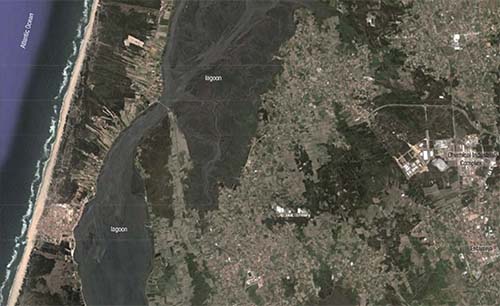 Given the rising environmental awareness scientist from all over the world highlight that water quality is essential for a healthy development of aquatic ecosystems and humans. The analysis of the human‐environment interaction process and their evolution are among the OHM main goals. Therefore, the permanent monitoring of heavy metals released into natural water bodies by industrial wastewater discharges in water, surrounding the OHM sites, has become essential.
This project aims to improve the water quality control by a real time wireless monitoring of the metals inputs (Hg, Cr and Cd) into the water body. A smart sensor wireless network system will be developed and used to monitor and predict the risk of water contamination by such hazardous substances, which have very harmful effects on human health and environment, including loss of biodiversity of aquatic ecosystems, even at extremely low concentrations, due to their high toxicity. The Estarreja Municipality lagoon, an important source of irrigation waters for the region, will be monitored and the results will allow the understanding of the Estarreja Chemical Industrial Complex influence on the surrounding ecosystems.

Participantes:
Carla Candeias, Vitor Santos, Paula Freire ÁvilaLíder de projeto: Eduardo Ferreira Da Silva
Disciplinas:
GeologiePalavras chave:
Environmental monitoringremote wireless sensorssurface waterssedimentssoilsplantsParticipantes:
Líder de projeto: Ana Catarina Sousa
Co-líders de projeto: M. Ramiro Pastorinho
Disciplinas:
Eco-epidemiologieEcologie de la santePalavras chave:
Environmental contaminantsMetalsOrganometalsChronic obstructive pulmonary diseaseHouse dustResumo:
 Chronic Obstructive Lung Disease (COPD) is an inflammatory disease characterized by progressive airflow obstruction and destruction of lung parenchyma that was the fifth most common cause of death worldwide in 2001, and that it expected to rise to 3rd place by 2030. Whereas tobacco smoking is regarded as the principal risk factor for the development of COPD, 25–45% of patients with COPD have never smoked.
Furthermore, recent studies showed that exposure to other environmental contaminants plays an important role in this disease, particularly in intensive and frequent exposure scenarios, such as occupational and indoor exposures. Thus, studies on the association between COPD and other risk factors are essential. In this line of thought several studies on the association of COPD and occupational exposures have been performed over the last years. However, household and indoor exposures did not receive the same degree of attention by the scientific community, even though most people tend to spend the vast majority of their time indoors (about 80%) and that 2/3 of that time is spent at home.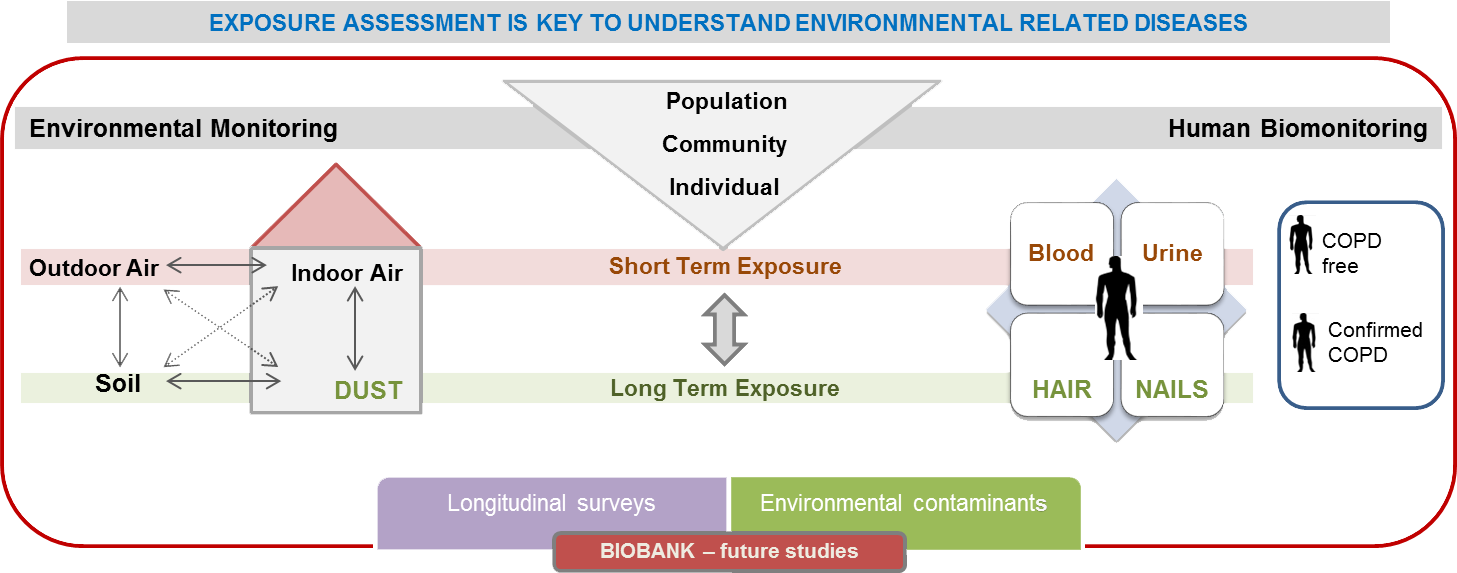 Hence, studies on the distribution of environmental contaminants in the indoor environment alongside with studies on the levels of those contaminants in human samples are of great importance. With this project, levels of selected environmental contaminants (metals and organometals) will be assessed in environmental and biological samples obtained from volunteers (with and without COPD), their households and whenever possible their surroundings in order to unravel possible associations.
Our ultimate goal is to identify risks factors for the development and progression of COPD and ultimately to promote health.
Participantes:
Luís Manuel Taborda-Barata, Sónia Coelho, Tiago Maricoto, M. Ramiro Pastorinho, Ana BarrosLíder de projeto: Gael Le Roux
Disciplinas:
BiochimieBiogeochimieChimiePalavras chave:
environmental archivestree ringswetlandsotolithspotential harmful trace elementsmetalsarsenicleadPb isotopesResumo:
OHM territories are concerned by present and past pollutions. Especially potentially harmful trace elements or trace metals (here called PHTE) could have been released through industrial and mining activities in OHM watersheds. Previous OHM projects have shown that human activities have released different PHTE in the watersheds of the OHMs Haut-Vicdessos and Estarreja. For example Pb was dispersed in the environment since the Antiquity and especially during the Middle Ages in the High Vicdessos area. In Estarreja, anthropogenic arsenic and mercury are found in soils and sediments (Inácio et al.,2014).
Unlike in the OHM-Haut Vicdessos, in the other OHM territories, the presence of well-preserved peat and lake records is not clear but the presence of wetlands with organic sediment accumulation is testified. This is the case of the OHM Estarreja with riverbanks and lagoons present in the complex lagoon system draining into the Ria.
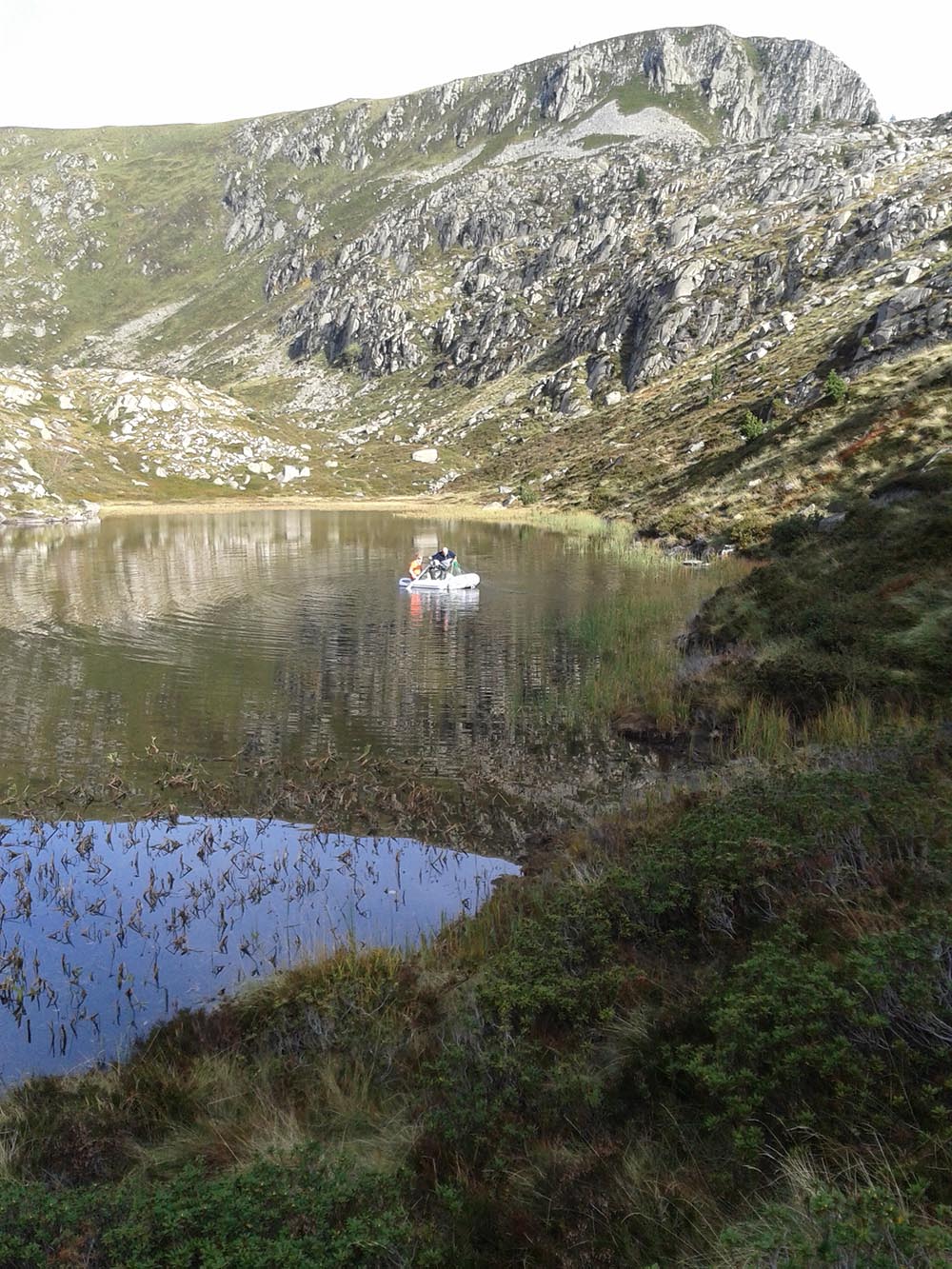 Wetlands such as the ones of Estarreja and Haut Vicdessos are intrinsically linked to hydrology, which creates particular physico-chemical conditions that make them different from well-drained terrestrial or fully aquatic deepwater systems. Moreover, the ecological consequences of environmental changes in the watershed are largely dependent on changes in the hydrological regime (such as sea level rise, decreased surface area and fluctuations of ground water levels), as well as on water quality. Therefore, knowledge of background fluxes and concentrations of PHTE are of primordial importance to understand present concentrations and transfers of anthropogenic PHTE. But these transfers of PHTE are also conditioned by more extreme events such as hydrological transfers like floods or droughts that will have a huge impact on the PHTE concentrations released from the soils to the watersheds. It is well known that wetlands exposed to environmental contamination act as sink and sources of PHTE. Soil particles may act as important transporters of environmental pollutants due to the chemical-physical processes that PHTE undergo during cycles of transport and temporary deposition. Thus, the soil-sediment-water system is evolving now as it was in the past. To understand the biogeochemical cycling of the PHTE is therefore crucial for purpose of environmental risk assessment, for retro-observation analysis or for prediction of natural hazards.
But these types of wetlands can provide important archives of past environmental, climate, hydrologic and vegetation changes, For instance, studying the trace elemental composition or isotopic signatures of trace elements within a fish otolith gives insight to the water bodies fish have previously occupied. Climate changes and environmental stresses can be assessed through an understanding of changes in tree growth. Generally, trees respond to changes in environmental variables by speeding up or slowing down growth, which in turn is generally, reflected a greater or lesser thickness in growth rings. Different species, however, respond to changes in environmental variables in different ways.
Given the importance of such an important type of terrestrial environment, we are developing in the High Vicdessos area an innovative approach combining different high resolution environmental archives of past pollution in the watershed: peat and lake records. Whereas peat records are used as archives of pure atmospheric signals, lake sediments record signals from both the atmosphere and the catchment. Combining both archives allow us to decipher the origin of the metals and also the potential lag between atmospheric deposition and transfer to the watershed.
Another major advantage is that this approach gives us insights also on preindustrial and, if old enough, on prehistoric levels of pollution.
There is thus a need to develop new integrative tools and improve the existent ones to understand recent biogeochemical transfers in the critical zone of the territories of the OHM. For that purpose, annual environmental archives like fish otoliths and tree rings can be used to understand recent transfers of PHTE in the environment.